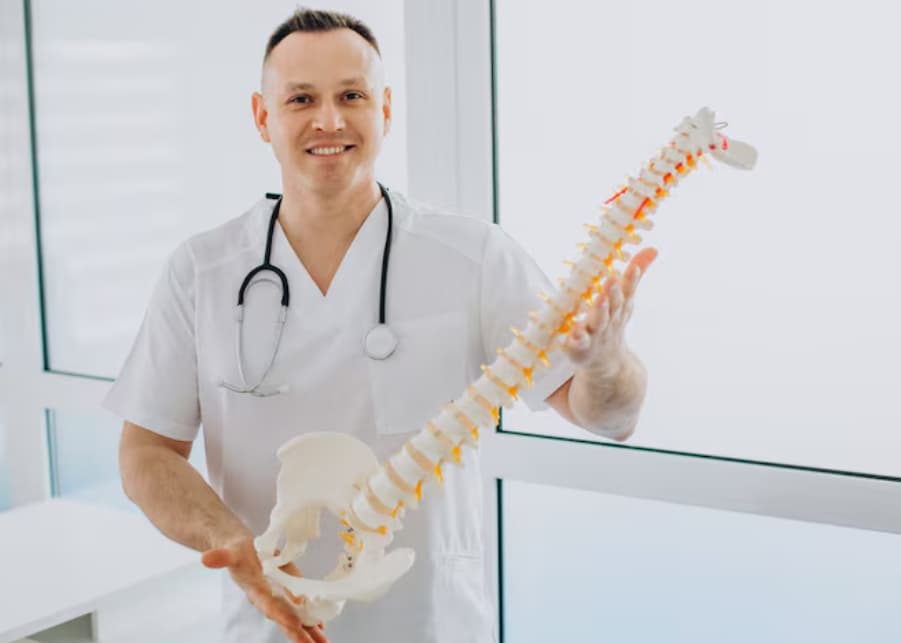

Back pain can be more than just a temporary inconvenience. For many Torrington residents, it can signal deeper issues requiring expert medical attention. If you’ve been searching for a back doctor near me, the expertise of a spine surgeon in Torrington, CT, can provide the comprehensive spine care you need.
What is the Role of a Spine Surgeon?
A spine surgeon in Torrington, CT, is trained to identify and treat conditions affecting the spinal column, from simple strains to complex degenerative diseases. Board-certified specialists focus on conservative and surgical interventions, always aiming to restore function and improve quality of life for every patient.
How Spine Surgeons Diagnose Back Conditions
Diagnosis is the critical first step toward relief. Here’s how it typically works at a reputable local facility like Litchfield County Orthopedic & Spine, P.C.:
1. Detailed Patient History
The spine surgeon begins by asking questions about the pain’s location, duration, triggers, and any associated symptoms like numbness or weakness. This helps pinpoint whether the issue stems from a disc, nerve, muscle, or bone.
2. Physical Examination
Next, the surgeon evaluates spinal movement, reflexes, posture, and muscle strength. They check for signs of nerve irritation or musculoskeletal misalignment.
3. Advanced Imaging
When necessary, patients may undergo diagnostic imaging such as X-rays, MRIs, or CT scans—services conveniently coordinated through local imaging partners or hospitals near Torrington. These tools help the orthopedist visualize disc herniations, spinal stenosis, arthritis, or fractures that may not be visible through physical examination alone.
Common Conditions Treated by Spine Surgeons
A spine surgeon in Torrington, CT, routinely treats a wide range of spinal disorders, including:
- Herniated Discs: When disc material presses on nerves, causing sharp pain, tingling, or weakness.
- Spinal Stenosis: A narrowing of the spinal canal that leads to nerve compression and discomfort, especially while walking or standing.
- Degenerative Disc Disease: Wear and tear of spinal discs leading to chronic pain.
- Sciatica: Radiating pain that follows the path of the sciatic nerve, often linked to disc issues.
- Scoliosis: Abnormal curvature of the spine, typically treated when it causes functional problems or deformity.
Tailored Treatment Options in Torrington
Non-Surgical Treatments
Most conditions are initially managed without surgery. Common approaches include:
- Physical Therapy: Focused on strengthening the back, improving flexibility, and correcting posture.
- Medication Management: Anti-inflammatory drugs and muscle relaxants to reduce pain and swelling.
- Epidural Steroid Injections: Used for pain relief when inflammation is involved, particularly in cases like sciatica or stenosis.
Surgical Options
If conservative methods fail, a spine surgeon in Torrington, CT, may recommend surgery. These procedures are often performed using advanced techniques that promote faster recovery, minimal scarring, and better long-term outcomes. Options include:
- Microdiscectomy: Minimally invasive removal of herniated disc material.
- Laminectomy: Removal of bone or ligament to relieve pressure on spinal nerves.
- Spinal Fusion: Stabilization of the spine by fusing two or more vertebrae.
Take the First Step Toward Relief—Trust Torrington’s Local Spine Experts!
Residents of Torrington, CT, seeking lasting relief from back pain can turn to the trusted team at Litchfield County Orthopedic & Spine, P.C.. With advanced diagnostics, personalized treatment plans, and a compassionate approach to spine care, their experienced spine surgeons in Torrington, CT, are ready to help restore comfort and mobility.
Schedule a consultation today to receive expert care close to home!